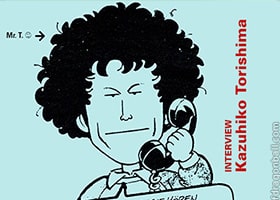
 Kazuhiko Torishima’s Lost Interview with Tokyopop Germany!
Read a long-lost interview with Akira Toriyama’s editor, Kazuhiko Torishima, published in Tokyopop Germany’s magazine in 2008!
Kazuhiko Torishima’s Lost Interview with Tokyopop Germany!Read a long-lost interview with Akira Toriyama’s editor, Kazuhiko Torishima, published in Tokyopop Germany’s magazine in 2008!
 Akira Toriyama’s Lost Interview with Tokyopop Germany!
Read a long-lost interview with Akira Toriyama published in the Tokyopop Germany magazine in 2008!
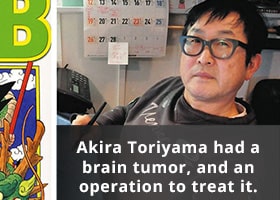 Akira Toriyama had a Brain Tumor, Says Former Dragon Ball Assistant
According to Akira Toriyama’s former assistant on Dr. Slump and Dragon Ball, Toriyama had a brain tumor and an operation to treat it prior to his death.
 Akira Toriyama’s Last Message Before His Death?
Discover the heartfelt words from Akira Toriyama, the legendary creator of Dragon Ball and Dr. Slump, written just before his death. Read the details and my analysis.
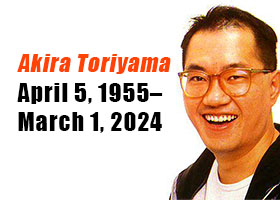 Akira Toriyama, Creator of Dragon Ball, is Dead
Akira Toriyama, the creator of Dragon Ball, Dr. Slump, and many other works that influenced countless people, has died, at age 68.
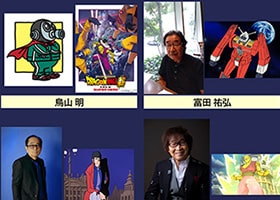 Akira Toriyama to Receive Anime Merit Award
Dragon Ball author Akira Toriyama, and Dragon Ball voice actor of Piccolo, Toshio Furukawa, have been announced as winners of the Anime Merit Award at the upcoming 2024 Tokyo Animation Award Festival.
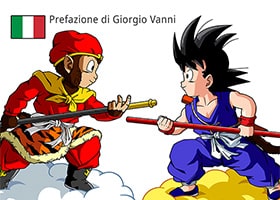 Dragon Ball Culture Vol.1 in Italian Published!!
Dragon Ball Culture Volume 1 in Italian has been published! The book features a foreword by Giorgio Vanni, the legendary Italian singer of Dragon Ball’s theme songs!
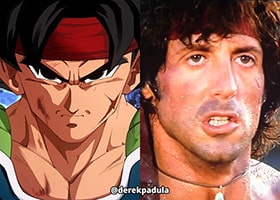 Was Bardock Inspired by Rambo?
Was Bardock inspired by Rambo and ancient Greek philosophy? Read this guest article by Spanish fan Jesús Tanco to see the past, present, and future of Bardock, the father of Goku!
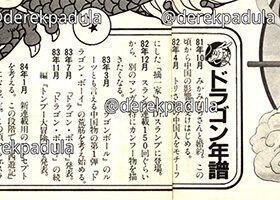 Akira Toriyama Explains Dragon Ball’s Origin
Read Akira Toriyama’s long-lost explanation of where Dragon Ball came from, with my commentary.

